Treat yourself to $500+ in MVJewels and enjoy FREE INTERNATIONAL SHIPPING.


Los Varela x Brugal 1888: When Rum and Art Share the Same Bloodline

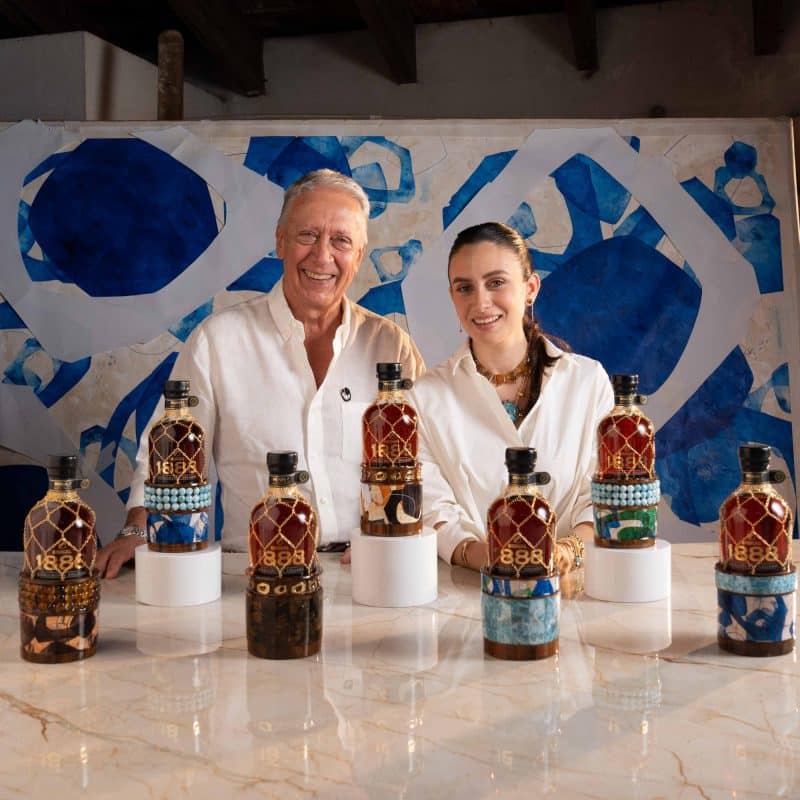
Brugal 1888 unveiled a rum bottle designed not by one hand, but by two generations of the same family.
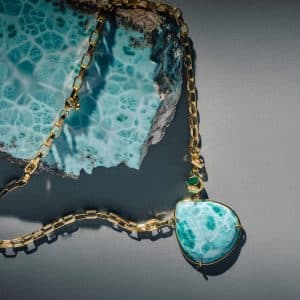
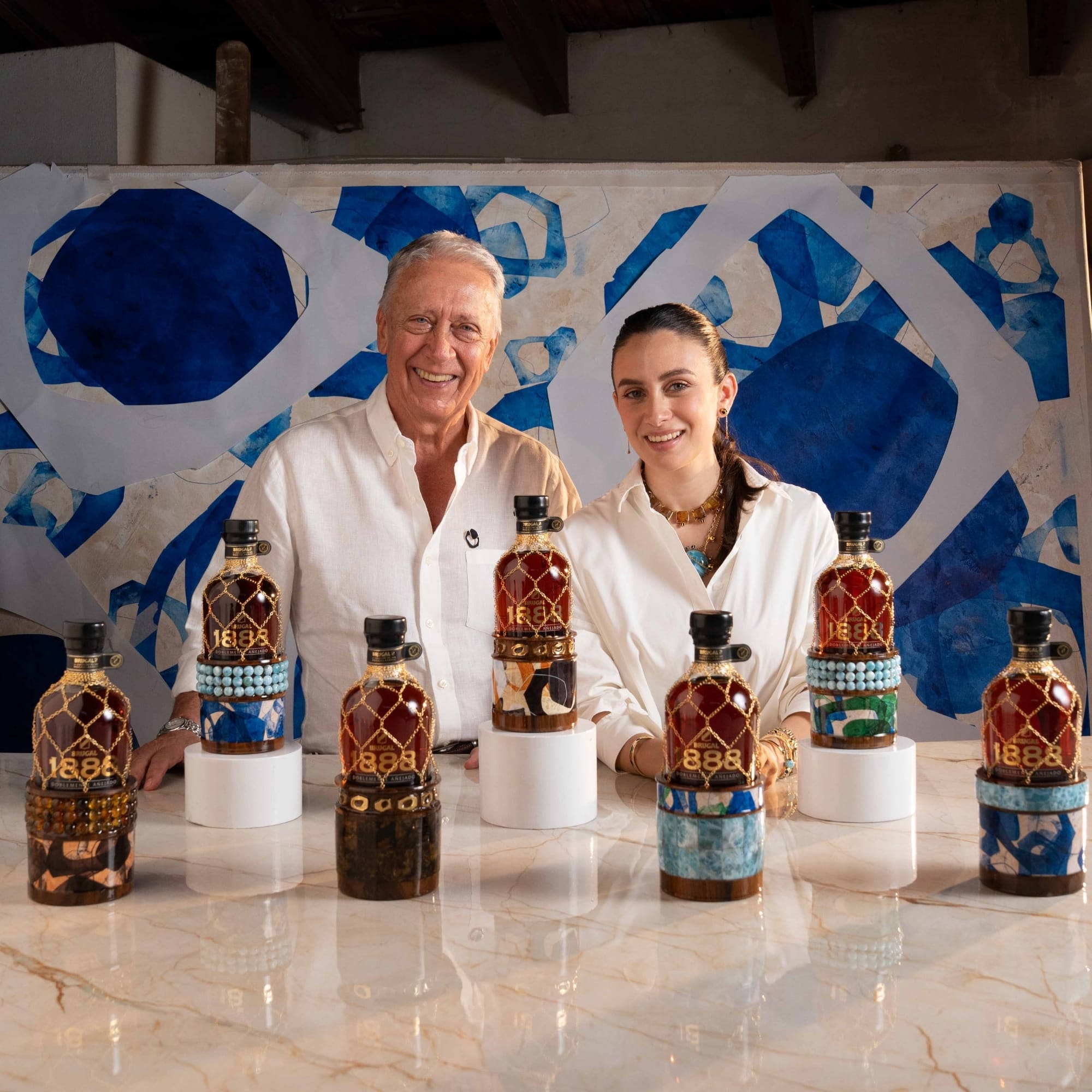
The February 18, 2026, collaboration with Fernando and Mónica Varela, father and daughter, introduced a limited collection of hand-intervened bottles built around legacy, mastery, and Dominican identity. It is, in every sense, a family project, and one that finally brings Mónica’s material world, Larimar, amber, hand-worked metal, into direct conversation with her father’s decades-long exploration of form and meaning.
A Rum Built on Generations, Meeting an Art Built on Generations
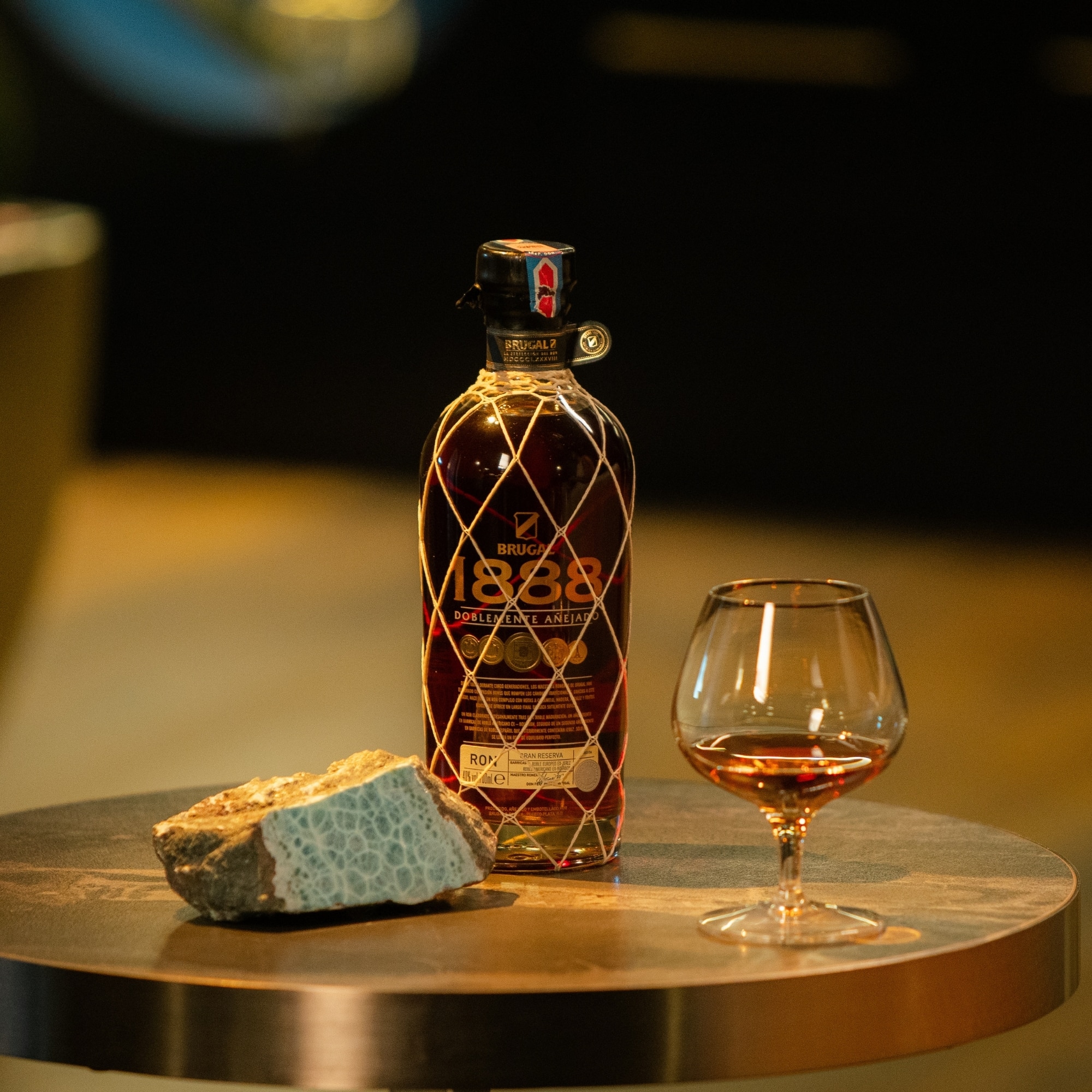
Brugal 1888 is itself an argument for the long view: a doubly aged rum shaped by five generations of master rum makers since don Andrés Brugal Montaner first set the standard in the nineteenth century. Pairing that kind of institutional patience with Fernando and Mónica Varela, a father and daughter whose creative relationship has spanned years and multiple collaborations, was less a marketing decision than a natural fit.
“At Casa Brugal, we firmly believe that excellence isn’t a destination, it’s a constant practice,” said Augusto Ramírez, CEO of Casa Brugal. “For more than 135 years, five generations of master rum makers have devoted their lives to perfecting a craft that demands rigor, patience, and a genuine obsession with every detail.”
Mery Melo, VP of Marketing and Strategy at Casa Brugal, framed the partnership as continuity rather than novelty: “Great expressions are built over time, and this collaboration with Fernando and Mónica Varela fits organically into our vision. It isn’t an isolated gesture, it’s an expression that speaks to the evolution of Brugal 1888.”
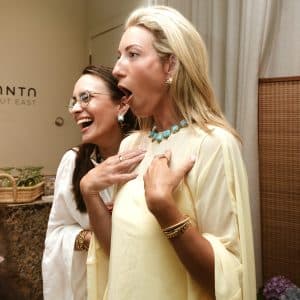
Fernando Varela, born in Montevideo in 1951 and based in Santo Domingo since 1975, is one of Dominican contemporary art’s most influential voices, with a body of work spanning drawing, painting, sculpture, and installation built around form, emptiness, and transcendence. Mónica, his youngest daughter, grew up inside that world before finding her own language in jewelry, later formalized through her studies at SCAD in Savannah, Georgia and Milan. This collaboration is not their first. It is simply their most public conversation yet.
Three Series, One Idea of Legacy
The collection unfolds across three conceptual series. Legado Generacional considers what it means to build without the constraints of time. Maestría lives in technical precision, the discipline of getting a material exactly right. Identidad positions Brugal itself as a cultural symbol, a country carried in a bottle.
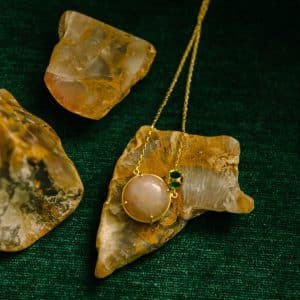
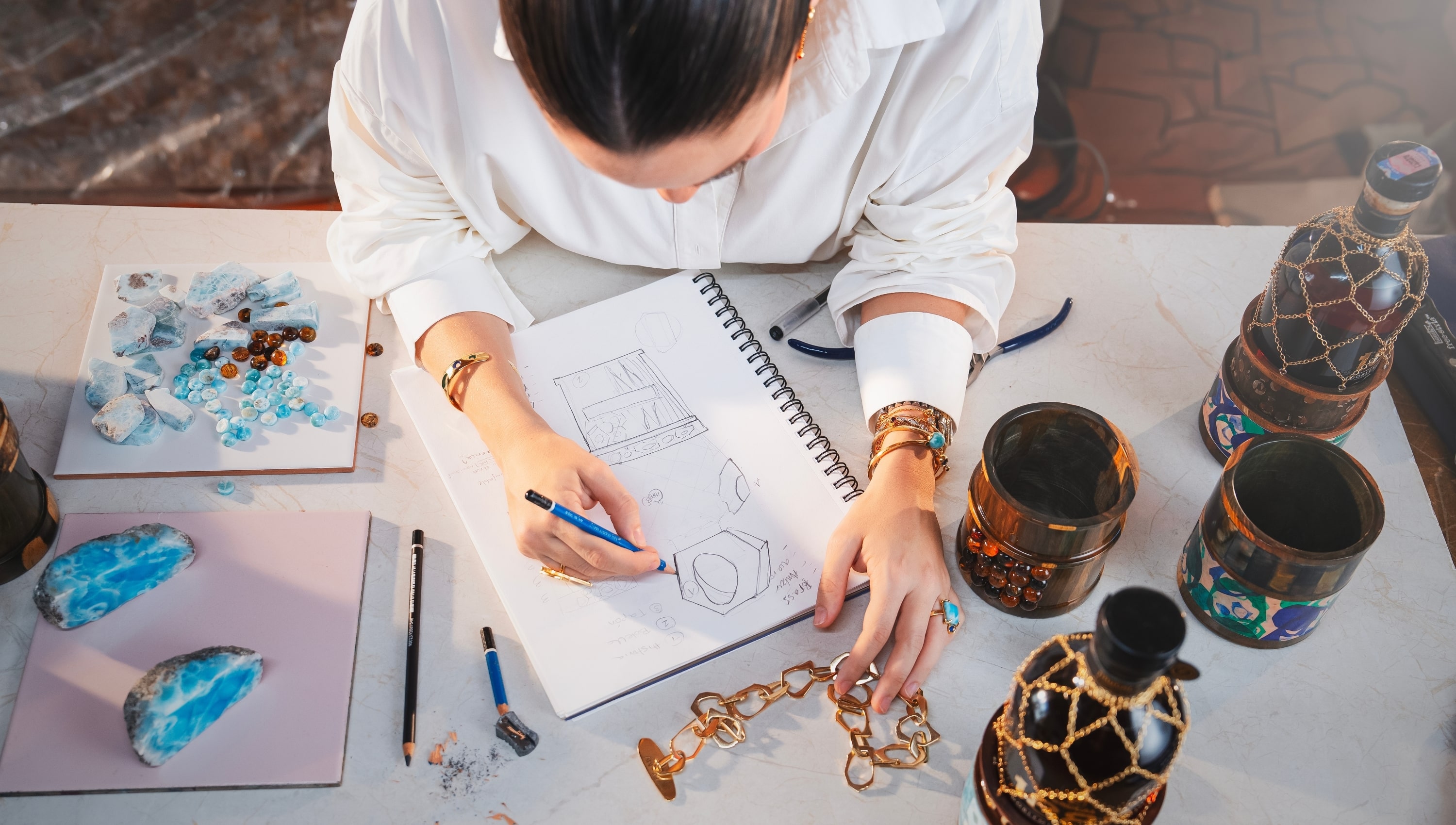
Every piece was hand-intervened using Larimar, amber, and artisanal metalwork, drawing visual inspiration from the Caribbean Sea, the mangroves, and the island’s cane fields, the same natural landscape that has always run through Mónica’s own work. Each bottle passed through many hands, Dominican artisans included, before reaching its final form.
That collective process was, by the artists’ own account, the hardest part. “The biggest challenge was achieving balance and unifying the different materials into a single, cohesive piece,” they explained. Larimar, amber, and hand-shaped metal carry their own character and organic unpredictability, qualities that don’t naturally submit to the precision a collectible glass bottle demands.
“Precision couldn’t be imposed on the material. It had to be offered as an invitation instead.”
Working as father and daughter meant the lines between their individual contributions blurred quickly. Fernando tends to begin from concept, Mónica from material and how something feels, how it seems to breathe. But within the process itself, those starting points dissolve into a single conversation. As they described it, the work carries no clear border between the two of them. It carries a dialogue instead, and that dialogue is what actually holds the piece together.
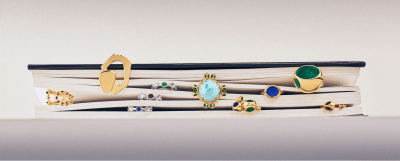
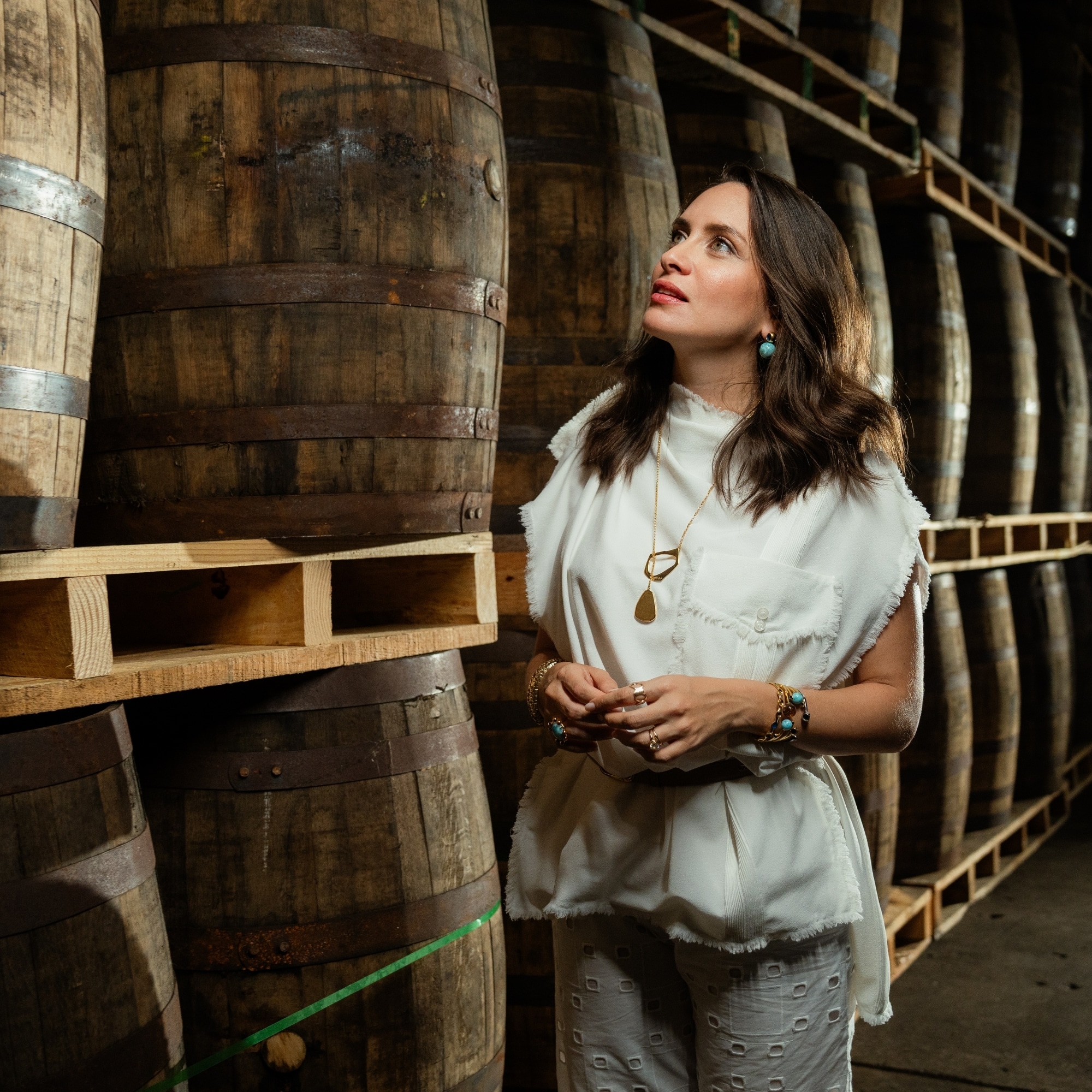
For Mónica specifically, the project meant scaling an intimate material language, the kind she typically channels into a ring or a pendant, onto the body of a bottle. “It was never about ornamentation,” she said. “It was about activating the piece,” describing every element as something that needed to integrate with intention, not simply decorate a surface.
A Legacy With a Purpose
The collaboration carries a social dimension that matters as much as its craftsmanship. Each bottle sold for US$2,888, and one hundred percent of proceeds benefited the Centro Educativo George Arzeno Brugal and TECHO República Dominicana, supporting education and housing initiatives across the country. Dominican mastery, in this project, is inseparable from Dominican impact.
This is not Brugal 1888’s first venture into art patronage. The house has previously collaborated with Mexican Huichol artist César Menchaca, Cuban-American painter Alexander Mijares, and Italian mosaic house Orsoni Venezia. This time, Brugal turned toward talent rooted entirely at home, a choice that says as much about the brand’s evolving identity as it does about the Varelas’ standing within it.
What the Bottle Is Meant to Hold
Ask Fernando and Mónica what they hope someone feels the first time they hold one of these bottles, and the answer has nothing to do with admiring a beautiful object. They describe wanting a conscious pause: a recognition of where the culture came from and where it’s heading, a sense that the piece carries the continuity of generations and the endurance of a brand that has grown without ever loosening its grip on its own Dominican essence.
It is, in the end, a project about inheritance in every sense of the word: a family inheritance between Fernando and Mónica, a craft inheritance passed through five generations of Brugal’s master rum makers, and a cultural inheritance the collaboration hopes to place directly in someone’s hands.