Treat yourself to $500+ in MVJewels and enjoy FREE INTERNATIONAL SHIPPING.

The Huritá: The Seed That Bloomed Into Monica Varela’s Body of Work

A seed looks simple to the naked eye. Round, small, unremarkable, the kind of thing you could hold a dozen of in one palm without a second thought. Put it under a microscope, and that simplicity disappears. Hairs, ridges, folds, and textures emerge; a structure so intricate it resembles a landscape more than an object. Nothing about it changes. Only how closely you look.
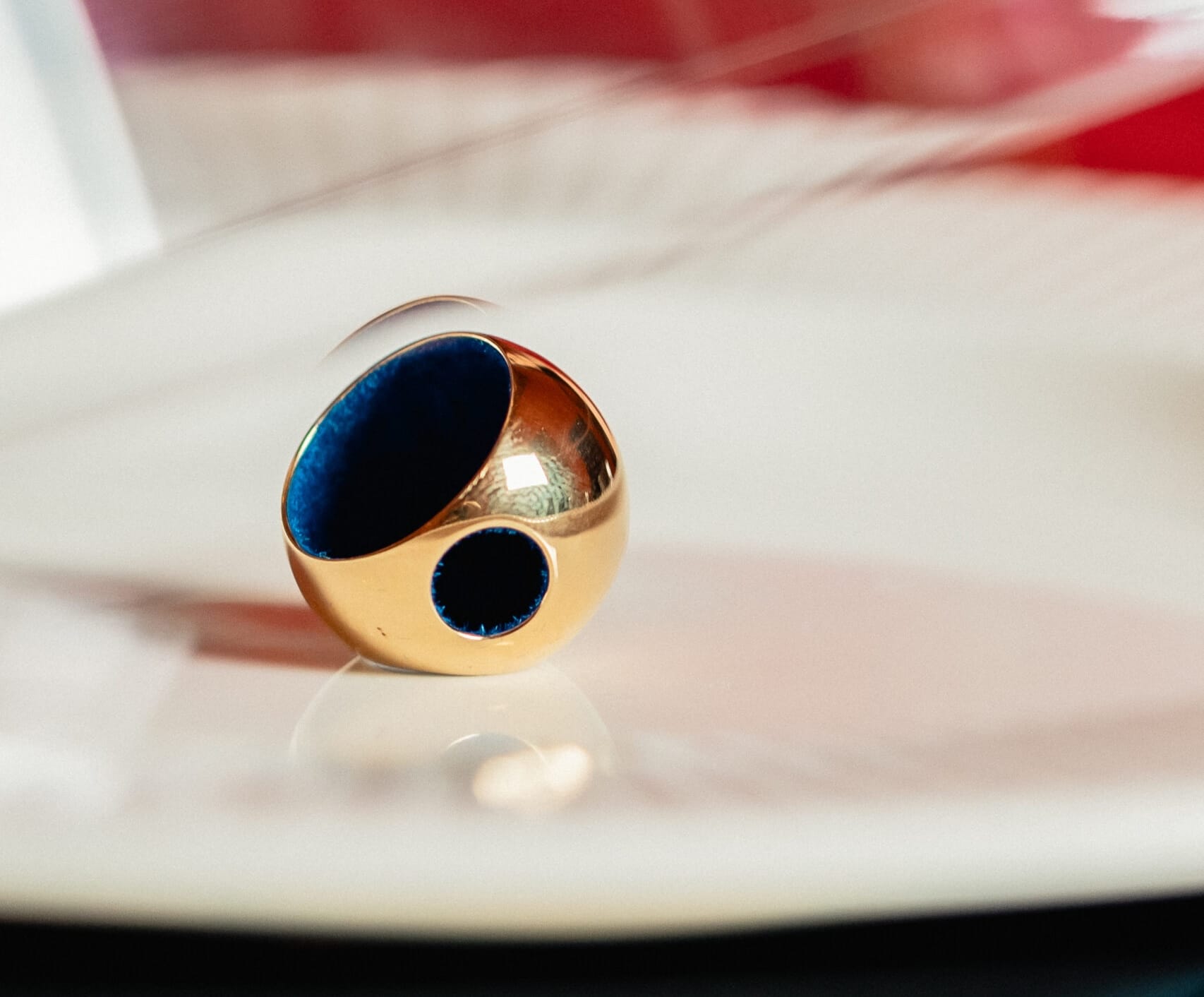
That shift, from glance to real attention, is the idea at the center of Mónica Varela’s most recognizable design: the Huritá, a hollow, perforated sphere that has become the brand’s signature across collections, materials, and stones.
What Is the Huritá?
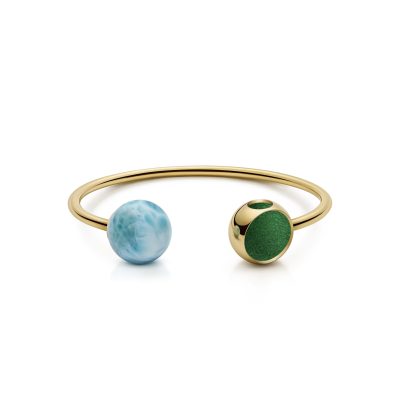
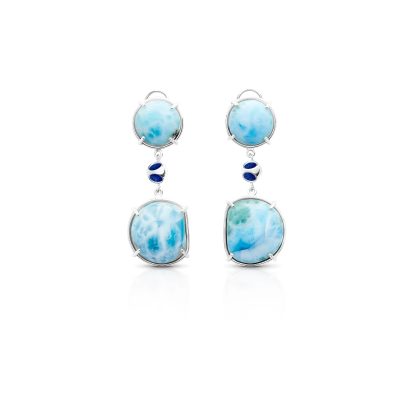
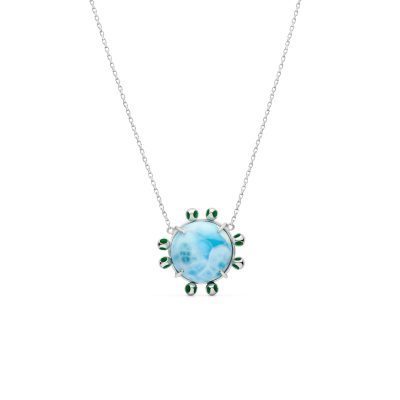
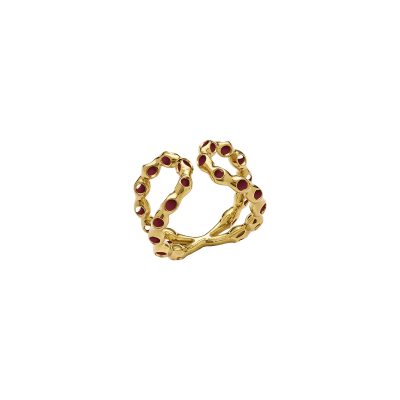
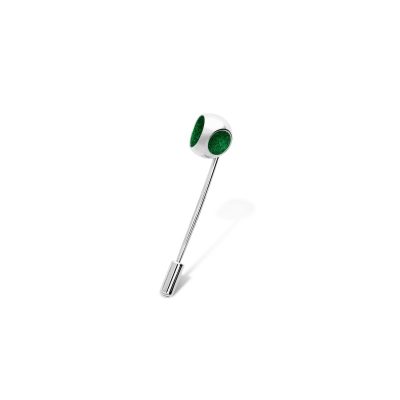
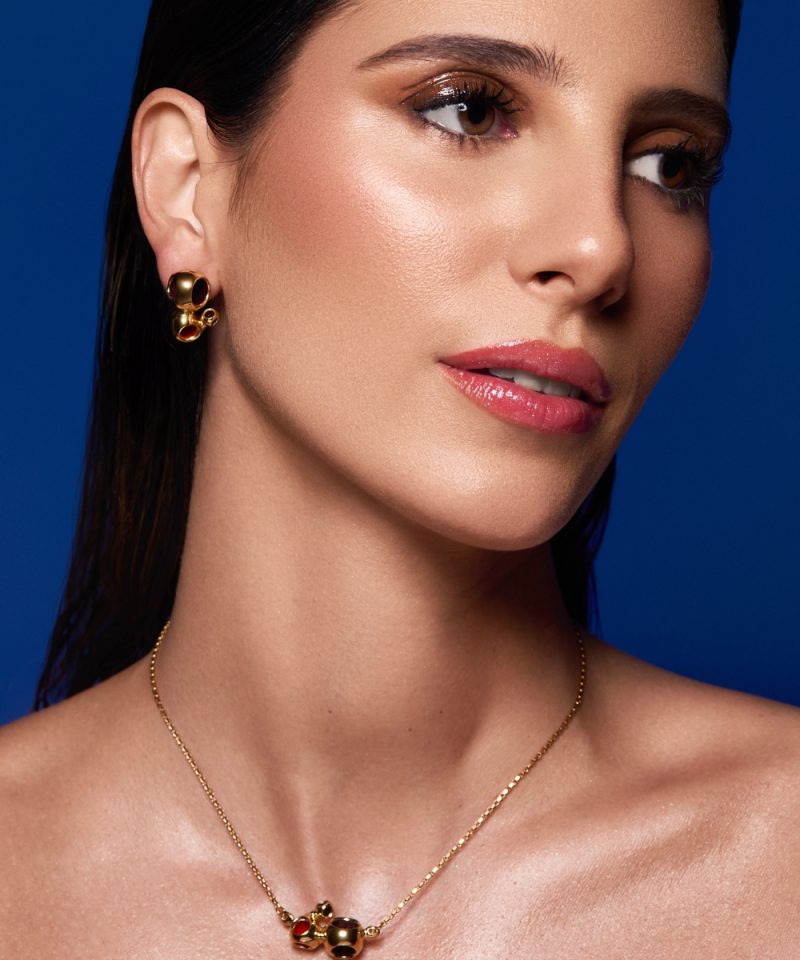
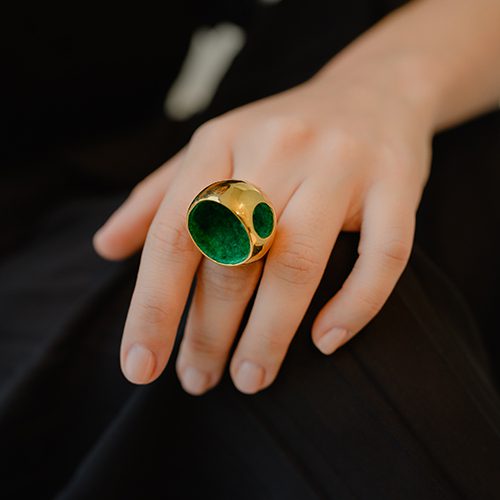
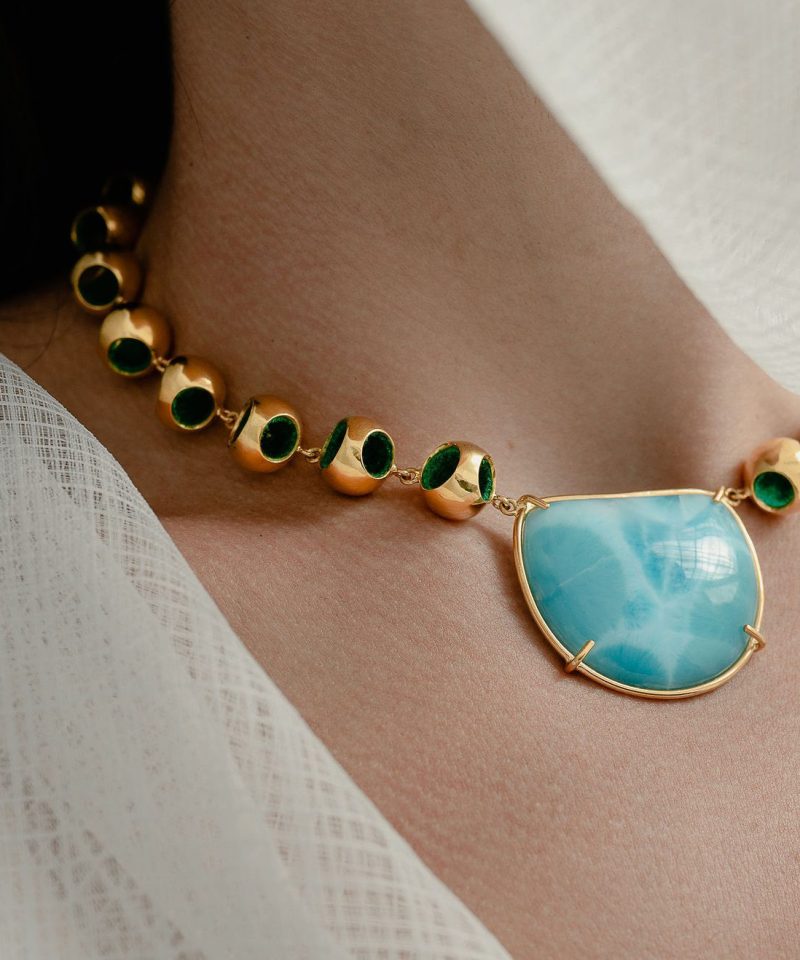
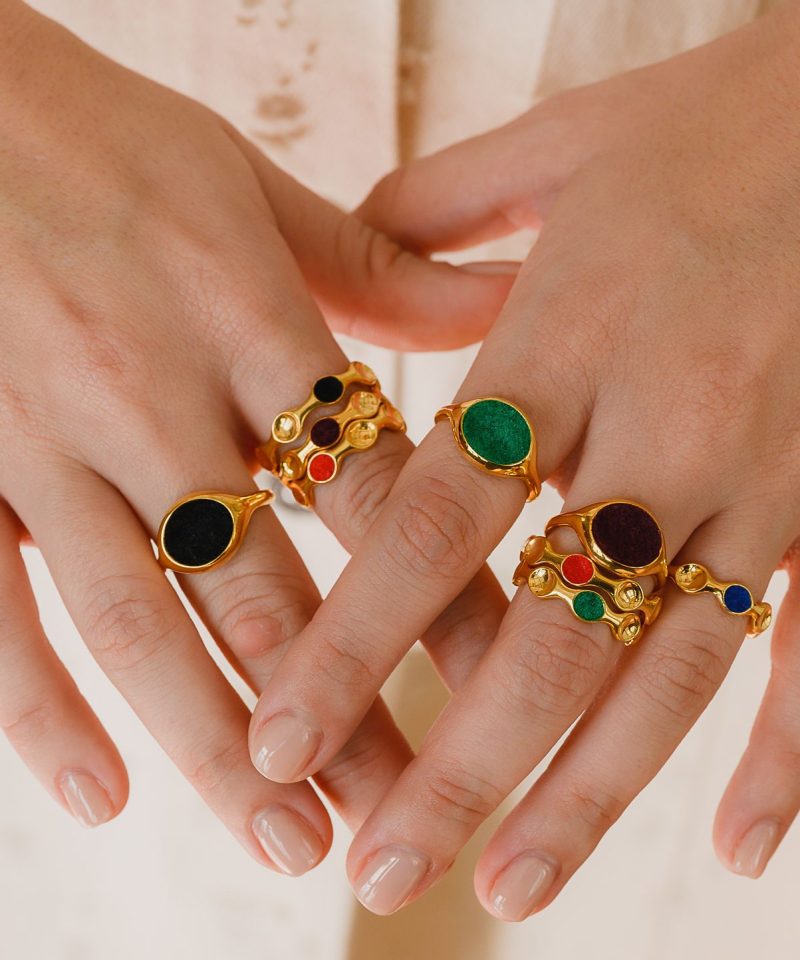
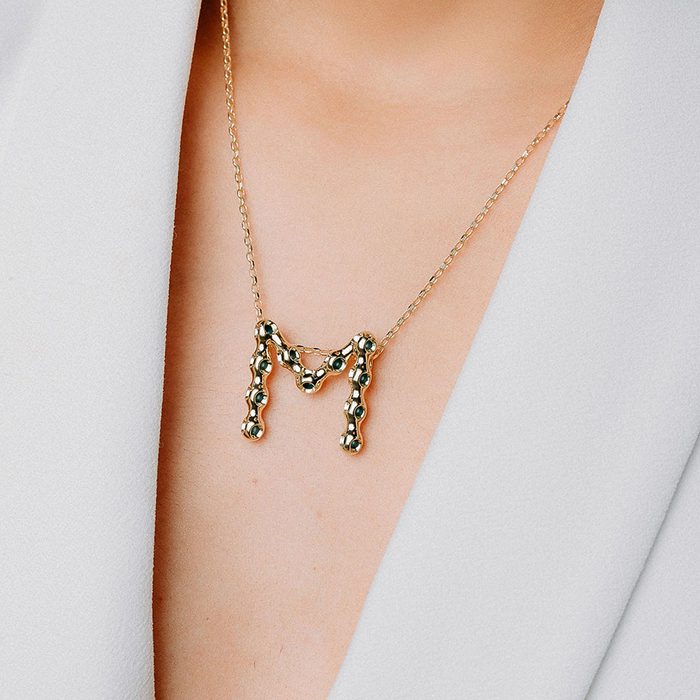
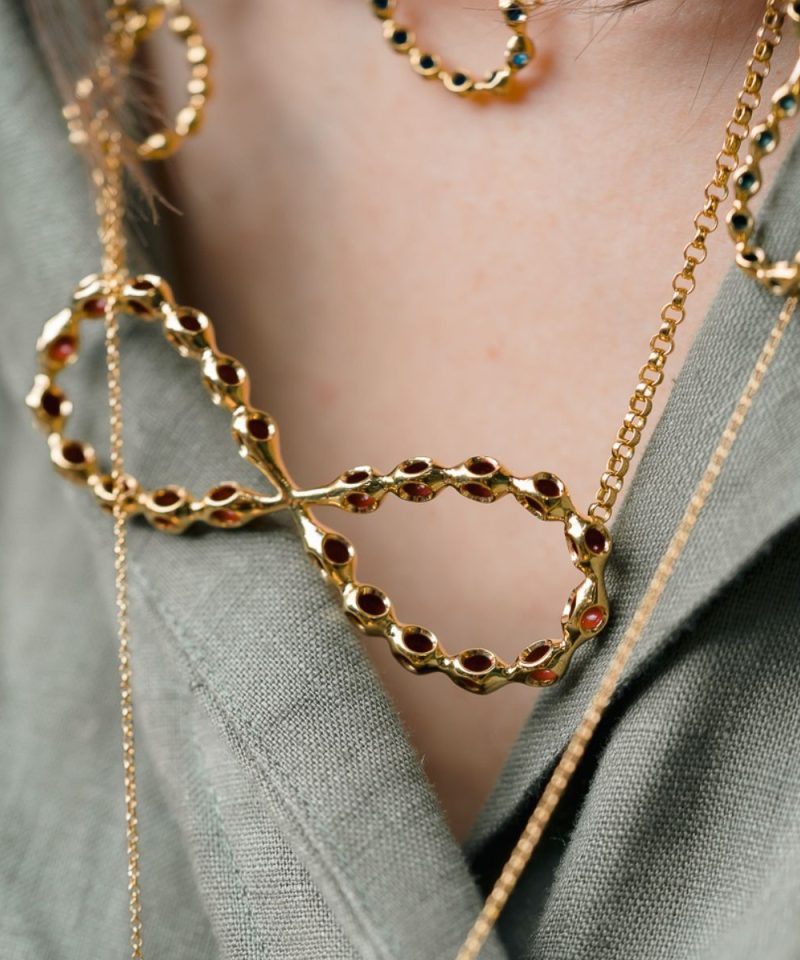
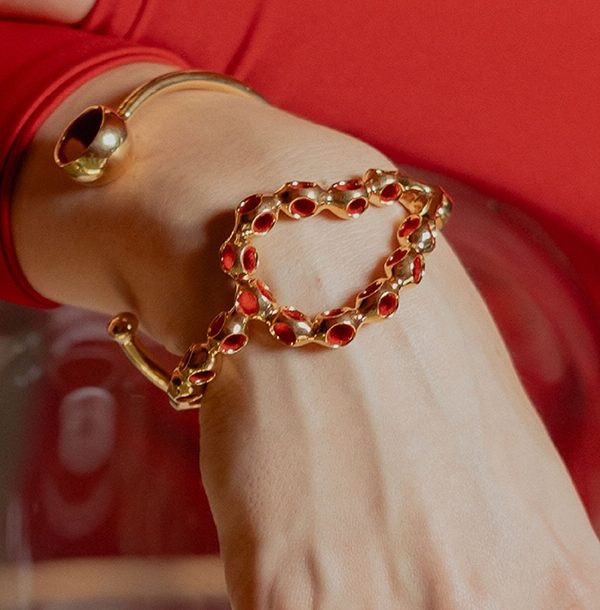
The Huritá is a hollow sphere, perforated across its surface and coated inside with microfiber, in one of five colors: Electric Blue, Jazzy Green, Dote Red, Blazing Burgundy, and Thorne Black. It comes in varying volumes, like Teeny, Minute, Rise and Petite, allowing the same design language to scale from delicate everyday pieces to bolder statement jewelry.
In the fashion jewelry line, the Huritá is crafted in sterling silver plated in 18-karat gold or platinum. In the fine jewelry line, it is made in solid 18-karat gold. The same form carries through both, a deliberate choice that keeps the symbol consistent whether someone is wearing their first Monica Varela piece or a collectible fine jewelry item meant to last generations.
The Huritá is the first three-dimensional trademark registered in the jewelry category in the Dominican Republic. That distinction matters beyond the legal record. It means a form, not just a name or a logo, was recognized as inseparable from the brand that created it, the design equivalent of a signature no one else can write.

A Seed, Magnified
The Huritá did not begin as a jewelry concept. It began as a thought Mónica Varela could not shake, formed during her anthropology studies: the idea that every person we meet plants something in us, and that underneath our differences, we are all, somehow, one.
It stayed abstract until she encountered the work of visual artist Rob Kesseler, whose highly magnified photographs of seeds, created for the Royal Botanic Gardens, Kew, in London, revealed what the naked eye never could. A seed that measures two or three millimeters, small enough to overlook entirely, opens under magnification into something closer to another planet: hairs, textures, structures; a hidden universe folded into something you could lose in the grass.
For Mónica, that image answered a question she had been circling for years. People work the same way. Immediately, you notice hair color, skin tone, height, build, the surface facts that take no effort to see. Pay closer attention, and an entirely different structure appears: what makes someone happy, what shaped them as a child, the quiet histories carried inside every person you meet. Those are the real seeds, planted in every encounter, too small to see until you choose to look.
What the Huritá Means
Seeing every choice and every relationship as a seed changes how the world looks. It suggests that people are not separate so much as differently shaped, grown from the same source and formed by different conditions. To Mónica, that idea is the meaning of belonging: not sameness, but a shared origin that connects people even in their differences.
The sphere carries that idea in its physical form. Its perforations let light and air move through it the way attention moves through a person once you stop looking at the surface. The microfiber coating inside gives it warmth and texture where a solid sphere would offer none, an interior life hidden until you look closely enough to notice it is there. Belonging, the Huritá suggests, is something every person carries inside, and something every society quietly needs.
From Idea to Signature
The Huritá did not arrive as a finished icon. It emerged gradually, through the early stages of Mónica Varela’s work as a designer, as one idea among many she was exploring in form and material. What set it apart was not a single dramatic launch but repetition: it kept returning, piece after piece, collection after collection, until its presence stopped looking like a choice and started looking like a signature.
That is, in the end, how a symbol earns permanence. Not by being declared important, but by proving, over years of design, that it was never going away. By the time the Huritá was registered as the country’s first three-dimensional jewelry trademark, the recognition was already true in practice. The law simply caught up to what customers, collectors, and Mónica’s own body of work had already confirmed.
A Symbol Worth Wearing
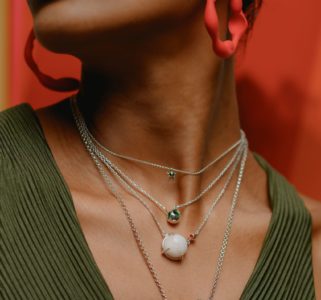
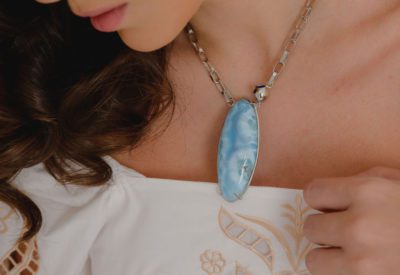
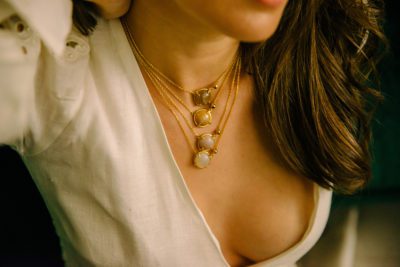
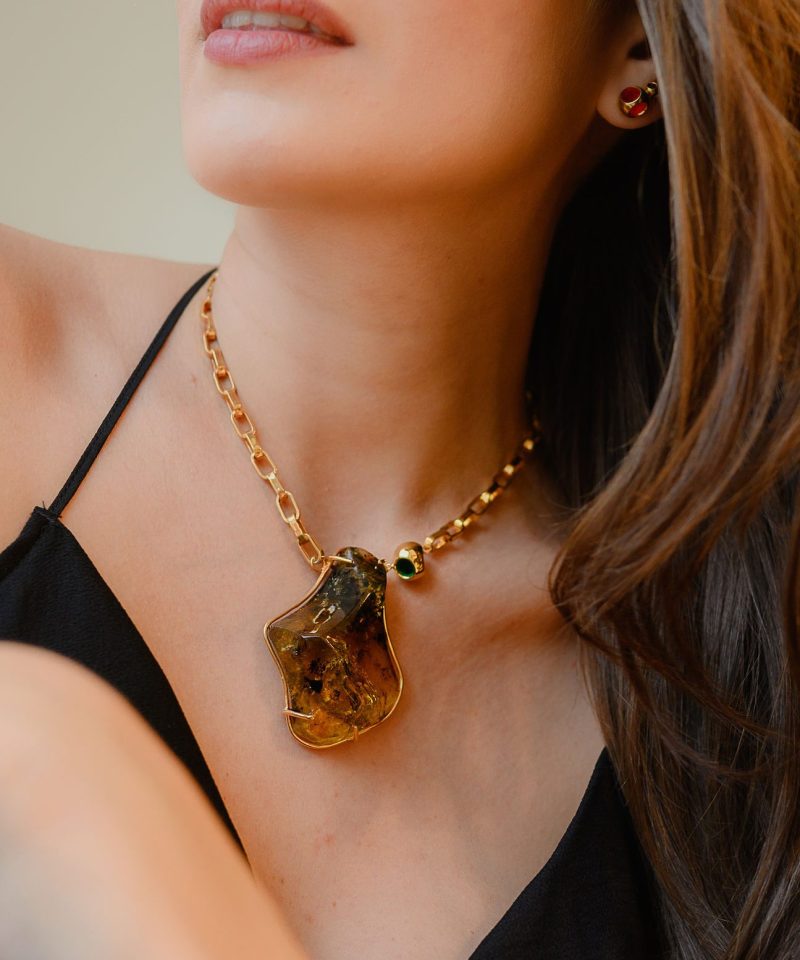
Larimar, Dominican amber, and moonstone each carry the natural treasures of the island. The Huritá carries something different: an idea about how people connect, made physical and wearable.
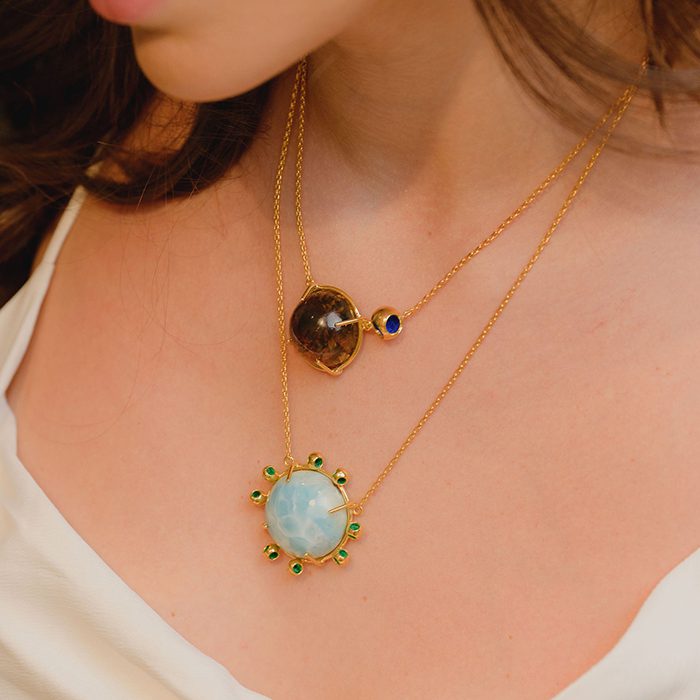
Most of Mónica’s designs place one of her three signature stones along the Huritá, a pairing that lets the philosophy of the sphere and the character of the material meet. A piece is never simply decorative in that combination. It is a small, deliberate object built around a belief: that what matters most is rarely visible at first glance, and that real connection begins the moment someone looks closely enough to find it.
To wear the Huritá is to carry that belief on the body, a quiet reminder, worn close, that you belong to something larger than what any simple glance could reveal.